I arrived in Brandon on an early spring afternoon, when the air still held the sharpness of thawing prairie and downtown storefronts hummed with a tentative optimism. A few blocks from the main drag, a former insurance office now doubles as a micro-roastery and coworking nook. The owner, a woman in her thirties who moved back after university, brewed espresso between client meetings and a call with a supplier in Vancouver. "I wanted to build something that could be mine and also be for everyone here," she said, wiping a steam wand with practised motions. "People slide into my space for a meeting, a quiet desk, or just to ask where to find a carpenter."
This vignette is not isolated. Across Westman, from the edge of the Brandon city limits into smaller towns and open fields, is morphing into a patchwork of necessity, creativity and deliberate policy. The old economic pillars—grain, cattle, and resource services—haven't vanished, but increasingly they share the landscape with makers, tech-enabled service providers, hospitality experiments, and ag-innovators who layer new revenue streams onto family farms.
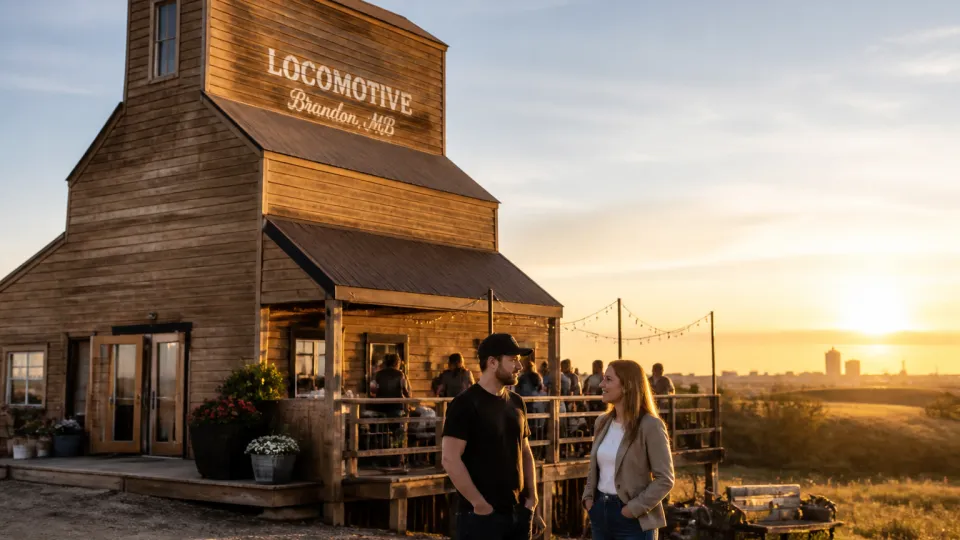
Several trends explain the shift. First, changes in and the pandemic-era normalization of remote work lowered the barrier for people to base knowledge-intensive businesses outside of large urban centers. Where reliable internet was once a luxury, investments in broadband infrastructure have made video meetings and cloud services practical for many small towns. Second, demographic shifts—young adults returning to family roots, retirees seeking —are bringing diverse skill sets to places that once experienced steady outmigration. Third, the economics of farmland and small-town real estate have prompted creative repurposing: a decommissioned elevator becomes a ceramics studio, a vacant school a culinary incubator.
These are not just pleasant anecdotes. The human impact is tangible. A small hospitality startup in a nearby community transformed a tired motel into a boutique stopover, hiring locally and sourcing food from nearby farms. It didn’t move the regional economy alone, but it changed how the town values its heritage and property. A third-generation farmer started an ag-tech side business offering drone surveys and soil analytics to neighbours—yielding added income and a new reason for younger family members to stay and innovate rather than sell out.
Yet entrepreneurship in rural Westman faces structural frictions. Access to capital remains inconsistent; traditional lenders often lack appetite for unconventional projects. Labour shortages—especially for skilled trades and childcare—add operational headaches. Zoning rules, building codes, and the logistics of supply chains raise costs and timelines in ways urban founders seldom see. "We can build a beautiful concept here, but the last 20 percent of execution is often where we fall apart," a community organizer told me, describing delayed renovations and the difficulty of finding a reliable contractor.
Local institutions are adapting. Brandon University has become an intellectual anchor, offering workshops, student placements, and research collaborations that link entrepreneurial graduates to rural clients. Municipal economic development officers are carving out small-business revolving funds and low-interest loans, and informal networks—Facebook groups, farmers' co-ops, and Saturday markets—function as low-cost marketing channels and soft incubators. What matters is not a single program but an ecosystem that helps founders move from idea to income.
The human stories are instructive. There's the former prairie teacher who launched a literacy-focused toy company from her dining room after observing childcare gaps; the couple who restored a 1920s storefront into a plant shop and community space, relying on barter and neighbourly carpentry to get started; the young tech entrepreneur who lives in a hamlet outside Brandon and runs a niche software firm with clients in three provinces. Each story reveals small, gritty adjustments—bartering, multi-role staffing, and community trust—that compound into viability.
Looking forward, sustaining momentum will require bridging policy with place-based ingenuity. Investments in childcare and affordable rental housing matter as much as grants for storefront façades. Flexible lending criteria that recognize the hybrid nature of modern rural businesses—part farm, part tourism, part digital service—could unlock more experimentation. Finally, narrative matters: when success is showcased honestly, it shifts local expectations about what a viable life in Westman can look like.
There is a risk: if entrepreneurship becomes a band-aid that masks deeper service shortfalls—healthcare access, eldercare, transit—then gains will be fragile. The more promising path is one where locally rooted businesses complement, rather than replace, robust public infrastructure.
Back in the micro-roastery, the owner paused as a university student slipped in, balancing a backpack and a textbook. They greeted each other like neighbors. Outside, the prairie beyond the city glittered with a thousand small experiments—people reshaping work to fit the rhythms of place. Entrepreneurship in Westman is not a silver bullet, but it is a lens through which communities are reimagining stability, identity and growth. The next decade will show which experiments scale and which remain beautiful, necessary local solutions—but, for now, the ingenuity is unmistakable, and the people behind it are building futures tied to the land and to one another in ways that feel both urgent and hopeful.